A calmer family life starts with a rhythm that fits.
Understanding your child. Finding your flow. Practical, compassionate support for your family's everyday moments.
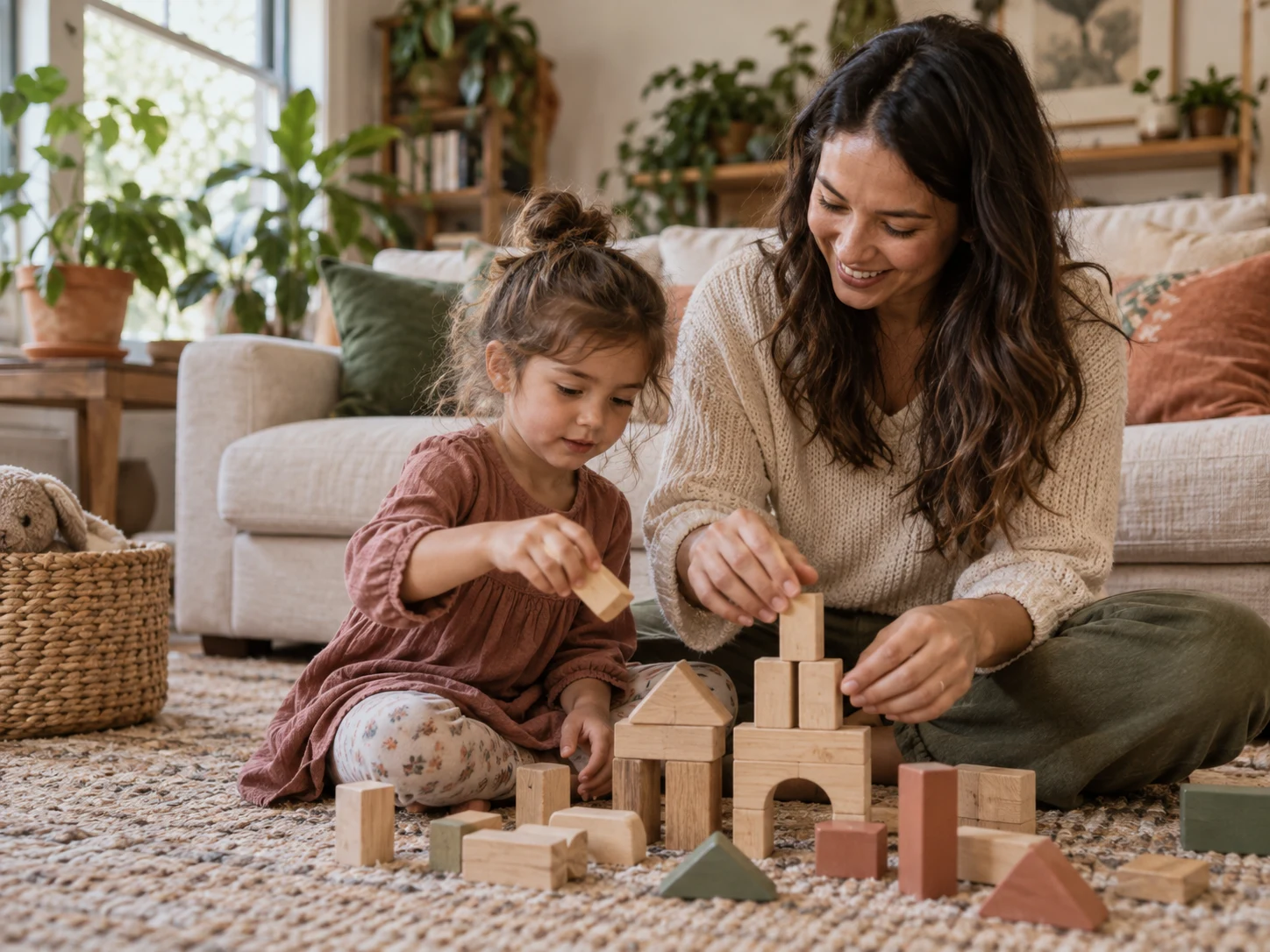
Every family has
its own rhythm.
You know your child. You know your family. Together, we make space for a way forward that feels right for all of you.
Support for the moments
that shape your day.
From getting out the door to winding down, find support that meets you where you are.
Everyday family rhythms
Find a little more ease in the everyday, with routines that work for your family.
Explore supportADHD-friendly support
Understand your child's needs and build on their strengths, without pressure to fit a mould.
Explore supportToddler routines & sleep
Gentle, responsive support for big feelings, daily transitions and finding your way through bedtime.
Explore supportChild anxiety support
Practical, evidence-informed guidance for worries, big emotions, separation anxiety, and school transitions.
Explore supportA simple, collaborative path forward.
We listen
A conversation about your family, your everyday life and the moments that feel hard.
We build your plan
Practical, manageable strategies shaped around your child and your family's needs.
We review together
We reflect on what is working and adjust your plan as your family grows.
A personalised action plan,
made for your family.
Together, we turn understanding into small, practical steps you can use in everyday life.
Your plan brings your priorities, routines and next steps into one place. Clear enough to follow. Flexible enough for real life.
Your Family
Rhythm Plan
Morning rhythm
A familiar start, with space to connect.
Evening flow
Gentle steps towards winding down.
School & transitions
Small supports for the in-between moments.
Family wellbeing
More room for everyone's needs.
Working with your child's brain,
not against it.
Support begins with understanding. We look beyond the difficult moments to see your child's needs, strengths and ways of experiencing the world.
Together, we find practical ways to make everyday life feel more manageable, with connection at the centre.
Sensory & regulation
Making space for individual sensory needs and moments to reset.
Emotional expression
Understanding feelings and building connection through them.
Learning & school
Practical support for routines, transitions and everyday participation.
Behaviour & autonomy
Looking beneath behaviour and making room for your child's voice.

A little more connection, one moment at a time.
Little people.
Big feelings.
Gentler days.
Toddlerhood brings wonderful discoveries and plenty of change. Find a responsive approach to daily routines that leaves space for your child's needs and yours.
- Bedtime rhythms that feel familiar
- Gentler transitions through the day
- Connection through the big feelings
Support that sees the whole child,
and the whole family.
There is no single right way to be a family. We start with your child's strengths, your everyday reality and what matters to you.
A little perspective for
your everyday moments.
Questions families
often ask.
It's okay to have questions. Here are a few places to start.
Tell me what feels
hard right now.
You don't need to have it all figured out. A little about your family is a good place to start.
- Everyday routines and transitions
- Understanding your child's needs
- Toddler rhythms and bedtime
A conversation starts with listening.
No pressure. No perfect answers needed.